


¿Quieres crear imágenes precisas, creativas y con estilo usando la API de Gemini (conocida como “Nano Banana”)?
Google ha publicado una guía oficial de prompts donde explica con ejemplos cómo estructurar instrucciones claras para obtener los mejores resultados.
Aquí te resumo lo más útil, con ejemplos literales de la documentación oficial.
La estructura básica de un buen prompt
Un prompt no es solo una lista de palabras clave. Funciona mejor cuando describes una escena completa con:
Sujeto principal
Acción o expresión
Entorno y atmósfera
Detalles técnicos (lente, iluminación, formato)
👉 Mira este ejemplo oficial:
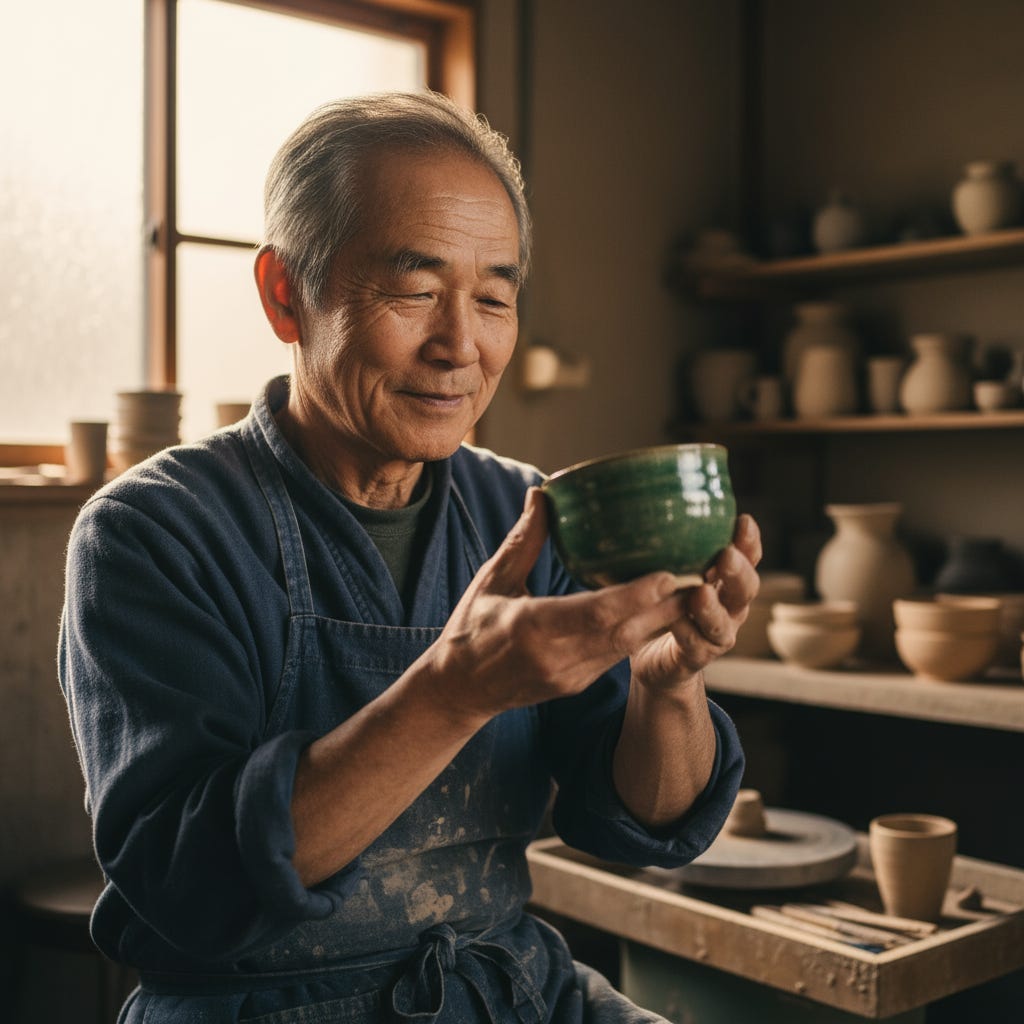
A photorealistic close-up portrait of an elderly Japanese ceramicist with deep, sun-etched wrinkles and a warm, knowing smile. He is carefully inspecting a freshly glazed tea bowl. The setting is his rustic, sun-drenched workshop with pottery wheels and shelves of clay pots in the background. The scene is illuminated by soft, golden hour light streaming through a window, highlighting the fine texture of the clay and the fabric of his apron. Captured with an 85mm portrait lens, resulting in a soft, blurred background (bokeh). The overall mood is serene and masterful.
Ejemplos oficiales según tipo de escena
1. Escenas fotorealistas
Plantilla:
A photorealistic [shot type] of [subject], [action or expression], set in [environment]. The scene is illuminated by [lighting description], creating a [mood] atmosphere. Captured with a [camera/lens details], emphasizing [key textures and details]. The image should be in a [aspect ratio] format.
2. Ilustraciones estilizadas (stickers, iconos)
Ejemplo oficial:

A kawaii-style sticker of a happy red panda wearing a tiny bamboo hat. It's munching on a green bamboo leaf. The design features bold, clean outlines, simple cel-shading, and a vibrant color palette. The background must be white.
Ver ejemplo completo
3. Texto preciso en imágenes (logos, tipografía)
Ejemplo oficial:

Create a modern, minimalist logo for a coffee shop called 'The Daily Grind'. The text should be in a clean, bold, sans-serif font. The design should feature a simple, stylized icon of a coffee bean seamlessly integrated with the text. The color scheme is black and white.
Referencia
4. Fotografía de producto
Ejemplo oficial:
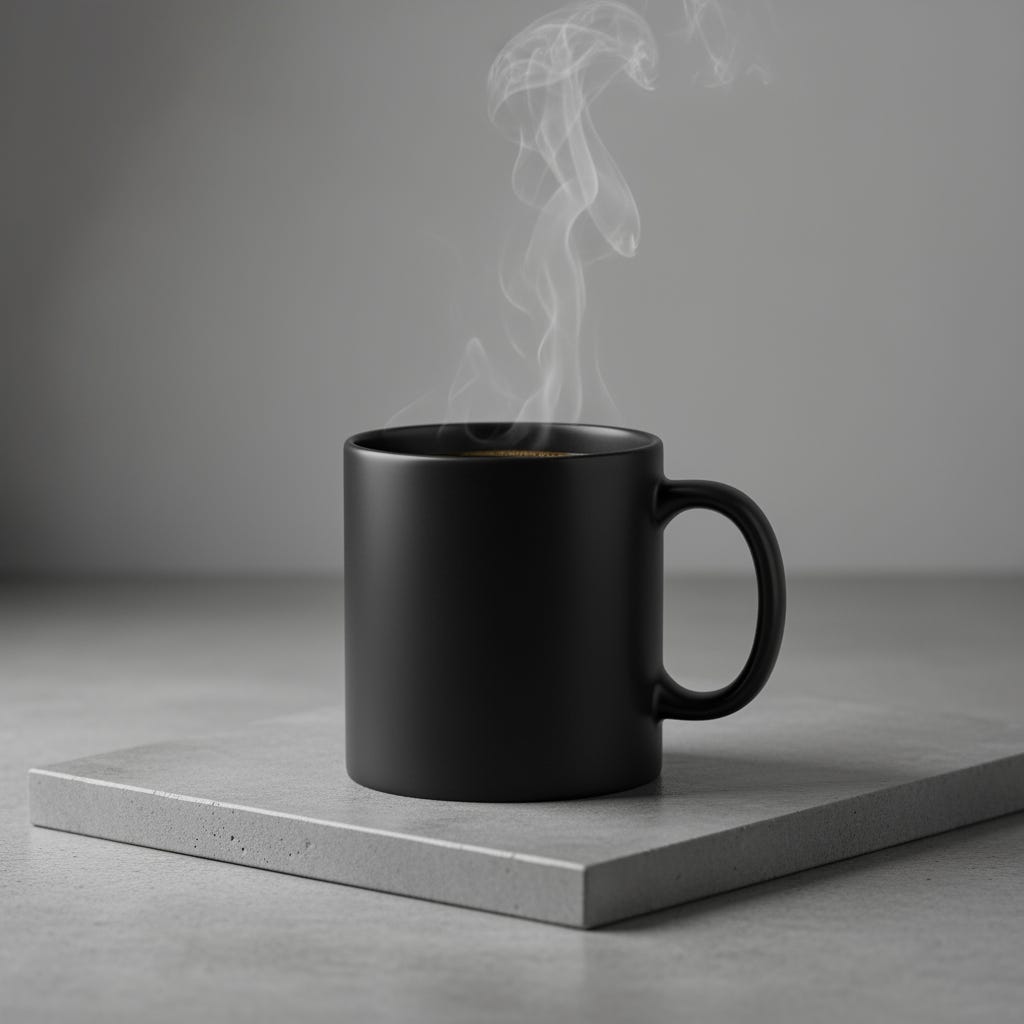
A high-resolution, studio-lit product photograph of a minimalist ceramic coffee mug in matte black, presented on a polished concrete surface. The lighting is a three-point softbox setup designed to create soft, diffused highlights and eliminate harsh shadows. The camera angle is a slightly elevated 45-degree shot to showcase its clean lines. Ultra-realistic, with sharp focus on the steam rising from the coffee. Square image.
Fuente
5. Diseño minimalista (espacio negativo)
Ejemplo oficial:
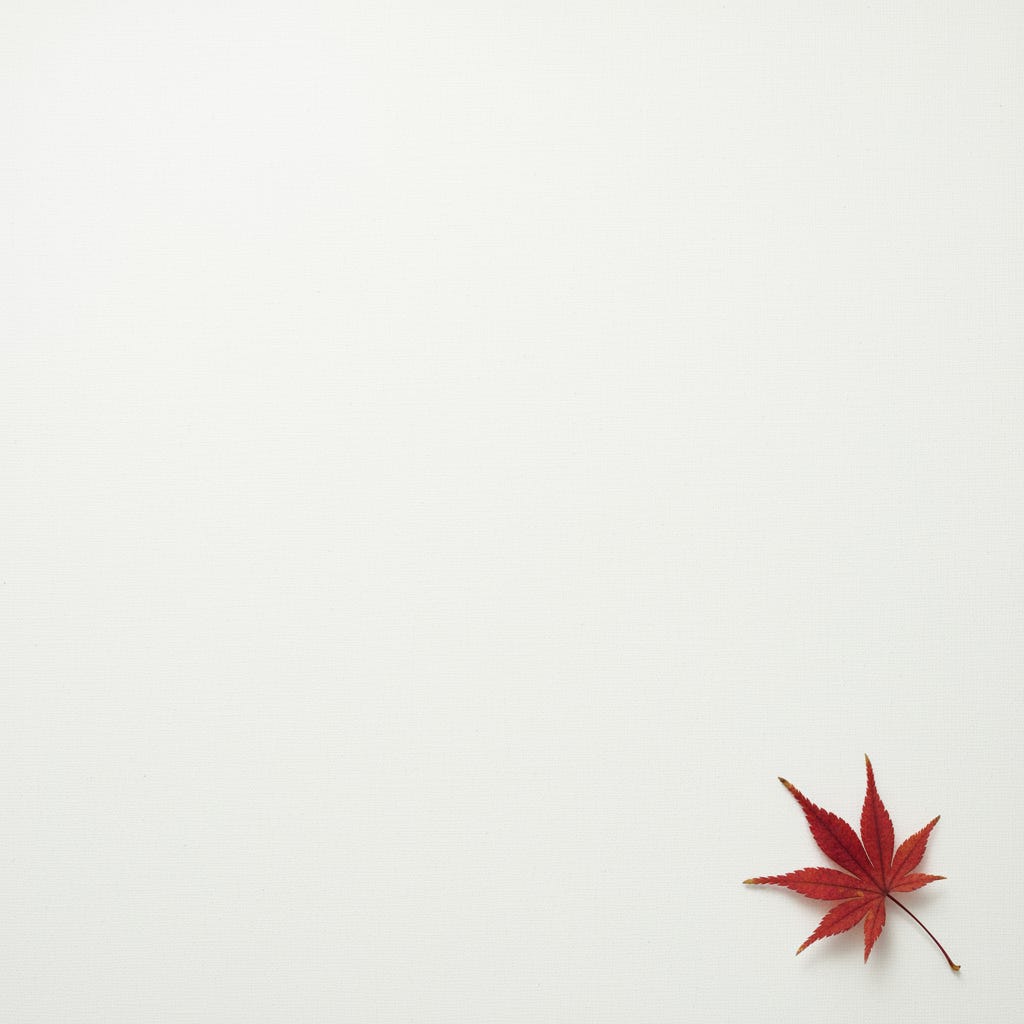
A minimalist composition featuring a single, delicate red maple leaf positioned in the bottom-right of the frame. The background is a vast, empty off-white canvas, creating significant negative space for text. Soft, diffused lighting from the top left. Square image.
Referencia
6. Arte secuencial (cómics, storyboards)
Ejemplo oficial:
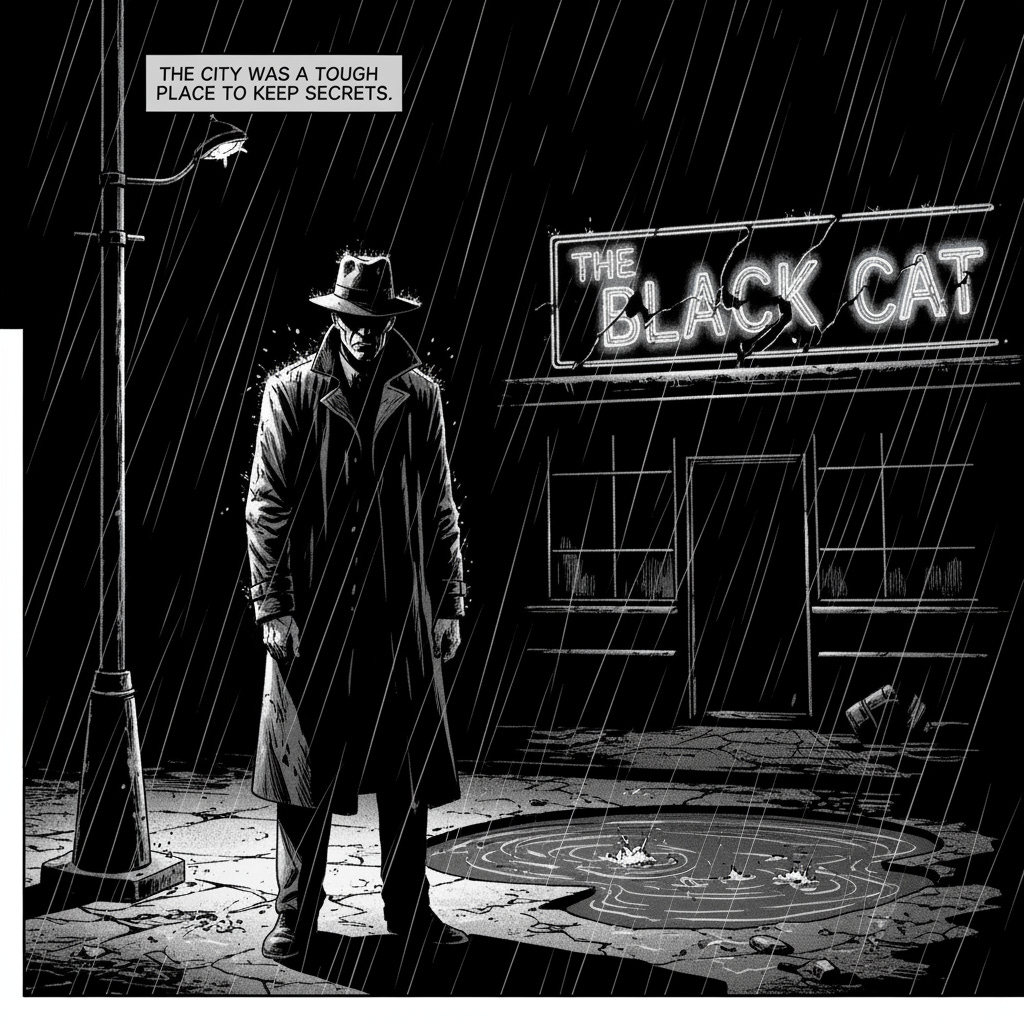
A single comic book panel in a gritty, noir art style with high-contrast black and white inks. In the foreground, a detective in a trench coat stands under a flickering streetlamp, rain soaking his shoulders. In the background, the neon sign of a desolate bar reflects in a puddle. A caption box at the top reads "The city was a tough place to keep secrets." The lighting is harsh, creating a dramatic, somber mood. Landscape.
Referencia
Edición de imágenes con prompts
La guía también explica cómo editar imágenes subidas con simples instrucciones:
Añadir elementos:
“Using the provided image of my cat, please add a small, knitted wizard hat on its head.”Edición semántica:
“Using the provided image of a living room, change only the blue sofa to be a vintage, brown leather chesterfield sofa.”Transferencia de estilo:
“Transform the provided photograph of a modern city street at night into the artistic style of Vincent van Gogh's 'Starry Night'.”Composición avanzada:
“Take the blue floral dress from the first image and let the woman from the second image wear it.”Preservación de detalles:
“Take the first image of the woman… Add the logo from the second image onto her black t-shirt. Ensure the woman's face remains completely unchanged.”
Buenas prácticas oficiales
Según Google, los mejores prompts siguen estas reglas:
Sé específico (estilo, materiales, propósito).
Explica el contexto o intención (ej: “logo para una marca de skincare minimalista”).
Itera y refina con instrucciones conversacionales.
Evita lo negativo: en vez de “sin autos”, usa “una calle desierta”.
Usa lenguaje fotográfico: macro, wide-angle, close-up.
Conclusión
La guía oficial de prompts de Google es una mina de oro para aprender a dar instrucciones claras a la IA.
Con estas plantillas y ejemplos, puedes crear desde fotos realistas hasta cómics, logos o ediciones avanzadas. Lo importante es la precisión y el detalle: cuanto mejor expliques tu idea, más cerca estarás de la imagen perfecta.